Technical Documentation Services That Work!
Technical Documentation Services That Work!

When a team keeps answering the same question, fixing the same avoidable mistake, or retraining people on the same workflow, the problem usually is not effort. It is documentation. Technical documentation services give businesses a practical way to turn scattered knowledge into clear instructions, usable guides, and structured records that people can actually follow.
For small and mid-sized companies, that matters more than most leaders expect. A missing SOP slows onboarding. A vague user guide increases support requests. An outdated policy creates compliance risk. Poorly explained software steps frustrate both employees and customers. Documentation is not administrative filler. It is part of how a business operates, trains, and presents itself.
What technical documentation services actually include
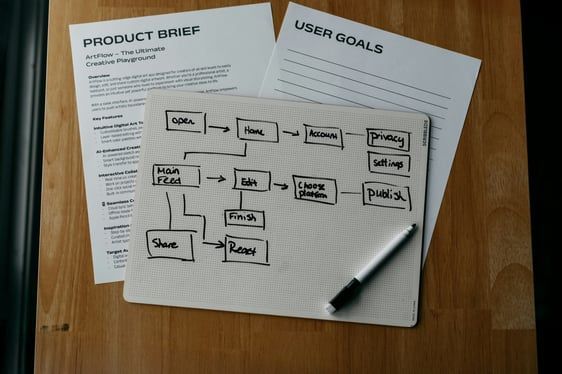
The phrase covers more than software manuals. In practice, technical documentation services often support both internal operations and external communication. That can include interactive user guides , process documentation, policy and procedure manuals, document review checklists, reporting templates, spreadsheets, and presentation materials that explain complex information clearly.
For software-related businesses, the need is especially obvious. A product may be well built, but if users cannot understand setup steps, feature workflows, or common tasks, adoption suffers. The same applies internally. A good process can still break down if the handoff instructions are inconsistent or buried across emails, shared drives, and tribal knowledge.
Strong documentation closes that gap. It takes what people know and turns it into something repeatable, accurate, and professional.
Why businesses outsource technical documentation services
Many companies know they need better documentation, but they do not have a full-time technical writer on staff. Even when someone internally can write, that does not mean they have the time, structure, or editorial discipline to build polished business-ready materials.
That is where outsourced technical documentation services make sense. They bring focused expertise without the cost of building an in-house function. A specialized provider can interview subject matter experts, organize scattered information, identify missing steps, and deliver documents that are clean, consistent, and usable.
There is also an objectivity advantage. Internal teams often assume too much prior knowledge because they live with the process every day. An outside documentation specialist sees where instructions are unclear, where terminology shifts, and where a workflow will confuse a new employee or customer. That perspective improves the final result.
The trade-off is that outsourcing works best when clients are willing to collaborate. Even the best documentation partner still needs access to process owners, software screenshots, existing materials, and approval feedback. Fast projects usually come from businesses that can provide clear inputs and timely review.
The business impact of better documentation
Documentation affects more than compliance folders and training binders. It shows up in daily performance.
When procedures are documented clearly, onboarding moves faster because new hires are not learning through guesswork. When software instructions are written for real users, support teams spend less time answering repetitive questions. When policy documents are consistent and current, managers have a stronger reference point for decisions and accountability.
There is also a professional credibility factor. Sloppy documentation sends a message, whether a business intends it or not. If a customer-facing guide looks rushed, if a presentation is hard to follow, or if an SOP reads like a rough draft, people start to wonder what else is loosely managed behind the scenes.
Good documentation does the opposite. It supports trust. It shows that the business has thought through how work gets done and how information should be communicated.
What separates useful technical documentation services from generic writing help
Not every writer can produce effective technical documentation. The difference is not just grammar. It is structure, logic, usability, and the ability to translate process knowledge into instructions that hold up in real use.
Useful documentation has a clear audience. A customer user guide should not read like an internal engineering note. An SOP for operations staff should not be padded with marketing language. A policy document should define expectations without creating confusion through vague wording. The writing has to fit the reader and the task.
Formatting matters too. Well-built documentation is easier to scan, reference, and maintain. That includes headings that make sense, step sequences that are complete, visuals where they actually help, and consistent terminology from start to finish. A document can contain the right information and still fail if people cannot find what they need quickly.
This is also where modern production tools can make a real difference. Used well, tools such as Microsoft Copilot and Adobe Creative Cloud can improve efficiency, visual presentation, and consistency. But tools are only part of the equation. They do not replace editorial judgment. Strong documentation still depends on someone who understands how to organize content, verify accuracy, and shape it for practical use.
When to bring in technical documentation services
Most businesses wait too long. They call for help when documentation has become a visible problem - after support tickets rise, training drags out, or staff starts working from multiple conflicting versions of the same file.
A better time is when the business is changing. New software rollouts, process redesigns, growth in headcount, service expansion, and compliance updates all create documentation pressure. If a company is onboarding more people, serving more users, or adding more operational complexity, its documentation needs usually increase at the same pace.
You may also need support when the documents exist but are not doing their job. That often looks like bloated manuals nobody reads, SOPs written in inconsistent formats, policy files with no version control, or presentation materials that explain important information poorly. In those cases, the issue is not creating documents from scratch. It is rebuilding them into something usable.
How to evaluate technical documentation services
If you are hiring for documentation support, ask practical questions. Can the provider handle both content development and document organization? Do they understand the difference between internal process writing and customer-facing instructional material? Can they work with screenshots, tables, templates, and visual layout when needed? Do they have a review process for accuracy and consistency?
It also helps to look at how they think about documentation. A strong provider does not treat it as a simple writing task. They see it as a business asset that supports training, operations, adoption, and professionalism.
Speed matters, but speed alone is not enough. A fast turnaround on a weak document just means you got a weak document sooner. The better standard is efficient delivery with a clear structure, clean formatting, and content that people can actually use.
This is where firms like Neithdos Consulting Services stand out. The value is not just in producing documents quickly. It is in producing materials that are polished, practical, and aligned with how businesses actually work.
Common mistakes that weaken documentation
One common mistake is writing for the wrong audience. Teams often create documents that reflect how experts talk instead of how users think. Another is overloading documents with too much background and not enough instruction. People usually need the next step, the rule, the example, or the workflow - not three pages of context before they can act.
Outdated documentation is another major issue. A process document that was accurate a year ago can become a source of error if systems or responsibilities have changed. Good documentation is not just written well. It is maintained intentionally.
Then there is presentation quality. This gets overlooked, especially in internal documents, but it should not. A document that looks disorganized often feels harder to trust. Clean formatting, consistent branding, and readable layouts are part of usability, not cosmetic extras.
Documentation that earns its place
Technical documentation services are worth the investment when they reduce confusion, save time, and improve how information moves through the business. That could mean a clearer software guide, a better SOP library, stronger policy documents, or sharper presentation materials for stakeholders and teams.
The goal is not to produce more files. It is to create documentation people rely on because it helps them do the work correctly. When that happens, documentation stops being an afterthought and starts pulling its weight.
If your team is still depending on memory, chat threads, and outdated drafts to explain critical processes, that is usually a sign the business has outgrown informal documentation. The right support can turn that mess into something usable, professional, and easier to maintain over time.